PE Foam vs. EVA Foam Boat Flooring: What Florida Boaters Need to Know
KEY TAKEAWAYS
- PE foam Outperforms EVA foam particularly in Florida's intense UV conditions, maintaining structural integrity where EVA becomes is at high risk for light amplification and adhesive failure.
- PE Foam is Stain Resistant where in contrast, salt water penetrates EVA foam through micro-cracks, causing permanent staining and degradation. PE foam's closed-cell structure prevents infiltration.
- PE foam typically lasts 8+ years in Florida marine environments compared to EVA foam's 3-4 year lifespan before replacement becomes necessary. The initial cost difference between materials becomes negligible when factoring in PE foam's superior longevity and reduced maintenance requirements
Choosing between PE foam and EVA foam for your boat flooring means understanding how each material performs under Florida's demanding marine conditions. PE (polyethylene) foam and EVA (ethylene vinyl acetate) foam represent two distinct approaches to marine decking, with significant differences in durability, maintenance, and long-term value for Florida boaters.
Florida's year-round boating season subjects marine materials to constant UV exposure, salt water contact, and extreme heat cycling that can destroy inferior materials within a few seasons. The choice between these foam types often determines whether your boat flooring investment lasts three years or eight years in these harsh conditions. Your Warranty is also a key indicator as AWC PE Foam provides coverage for light amplification and adhesive; something that is not covered with EVA alternatives.
Material Composition and Structure Differences
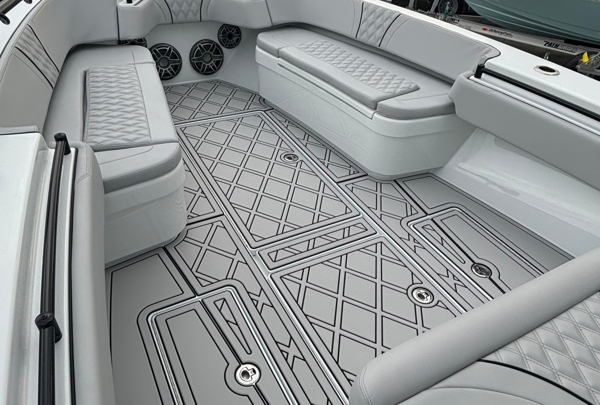
PE foam consists of closed-cell polyethylene that creates a completely sealed surface. This closed-cell structure prevents water, salt, and contaminants from penetrating into the material itself. The polyethylene polymer chains resist UV degradation and maintain flexibility across wide temperature ranges.
EVA foam combines ethylene and vinyl acetate in varying ratios, typically featuring an open-cell or semi-open structure that allows some interconnection between foam cells. While this structure provides excellent initial cushioning and grip, it creates pathways for moisture and salt infiltration over time, material delamination, along with loss of non-slip.
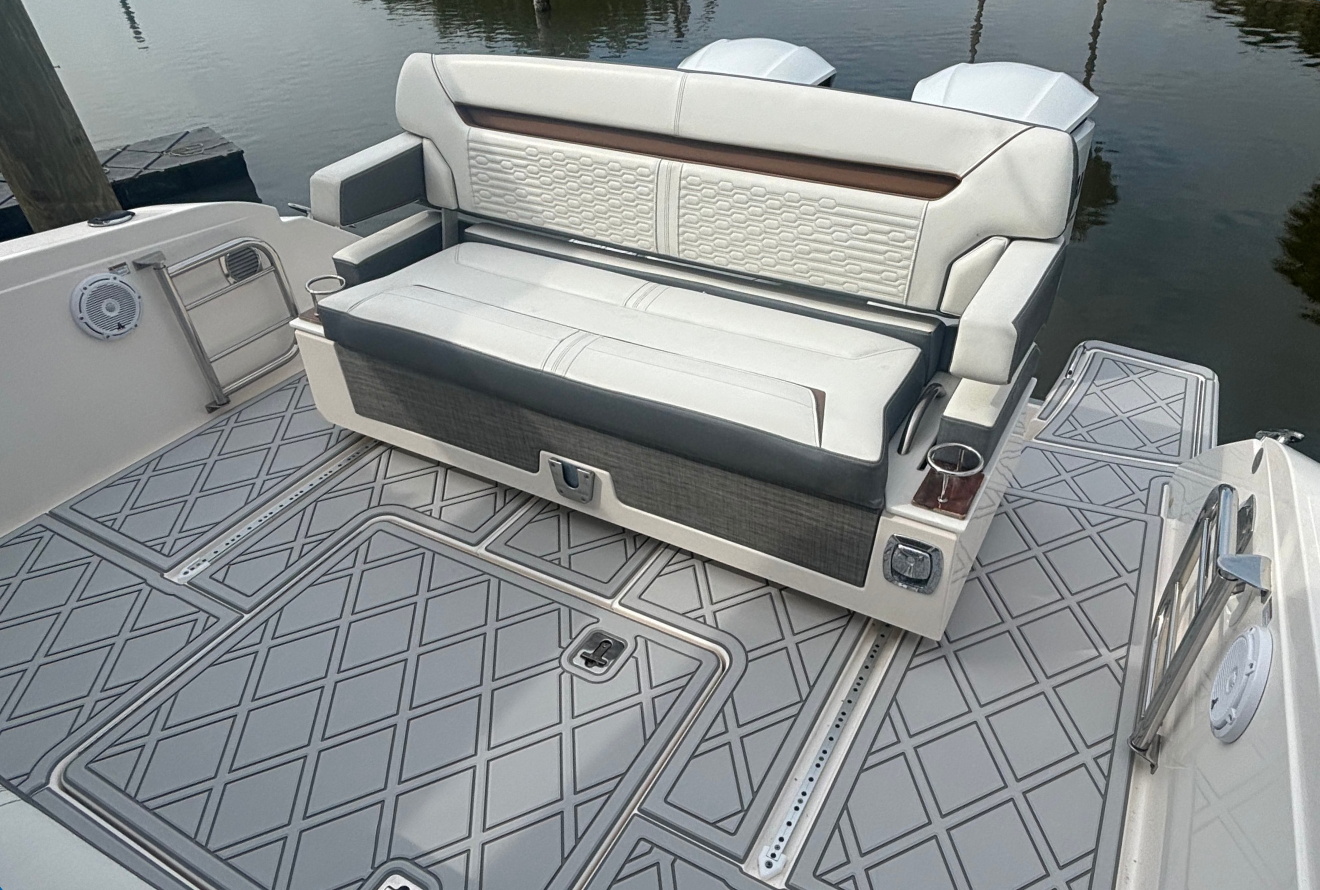
The molecular differences become critical in marine environments. PE foam's polymer chains resist breaking down under UV exposure, while EVA foam's vinyl acetate components can become brittle when subjected to prolonged sun exposure combined with salt spray.
Manufacturing processes also differ significantly. PE foam undergoes a chemical cross-linking process that creates permanent bonds between polymer chains. EVA foam relies more on physical foaming agents that can break down over time, especially when exposed to temperature cycling common in Florida's climate.
UV and Heat Performance in Florida Conditions
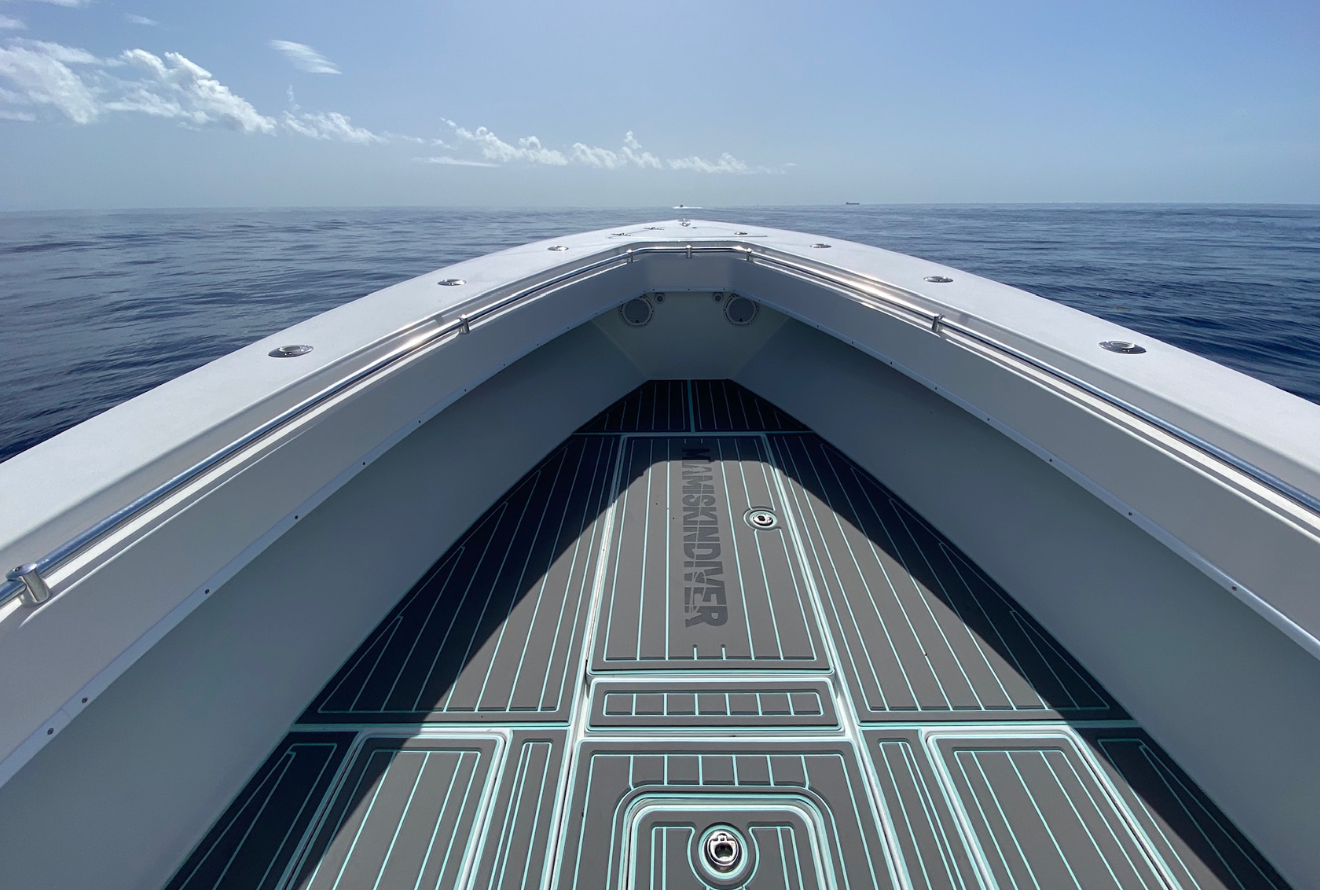
Florida's UV index regularly exceeds 10 during peak boating months, creating conditions that accelerate foam degradation. PE foam maintains its structural integrity under this intense UV exposure because polyethylene naturally resists photodegradation.
EVA foam, often sold by other flooring companies, shows visible degradation within 18-24 months of Florida sun exposure. The vinyl acetate component breaks down under UV radiation, causing the foam to become chalky, brittle, and prone to cracking, shrinking and peeling. These cracks typically start as hairline fractures but expand rapidly once salt water penetration begins.
Heat cycling presents another challenge for foam materials in Florida. Deck temperatures can reach 140°F during summer afternoons, then drop to 70°F overnight. PE foam handles this temperature swing without losing flexibility or developing stress fractures.
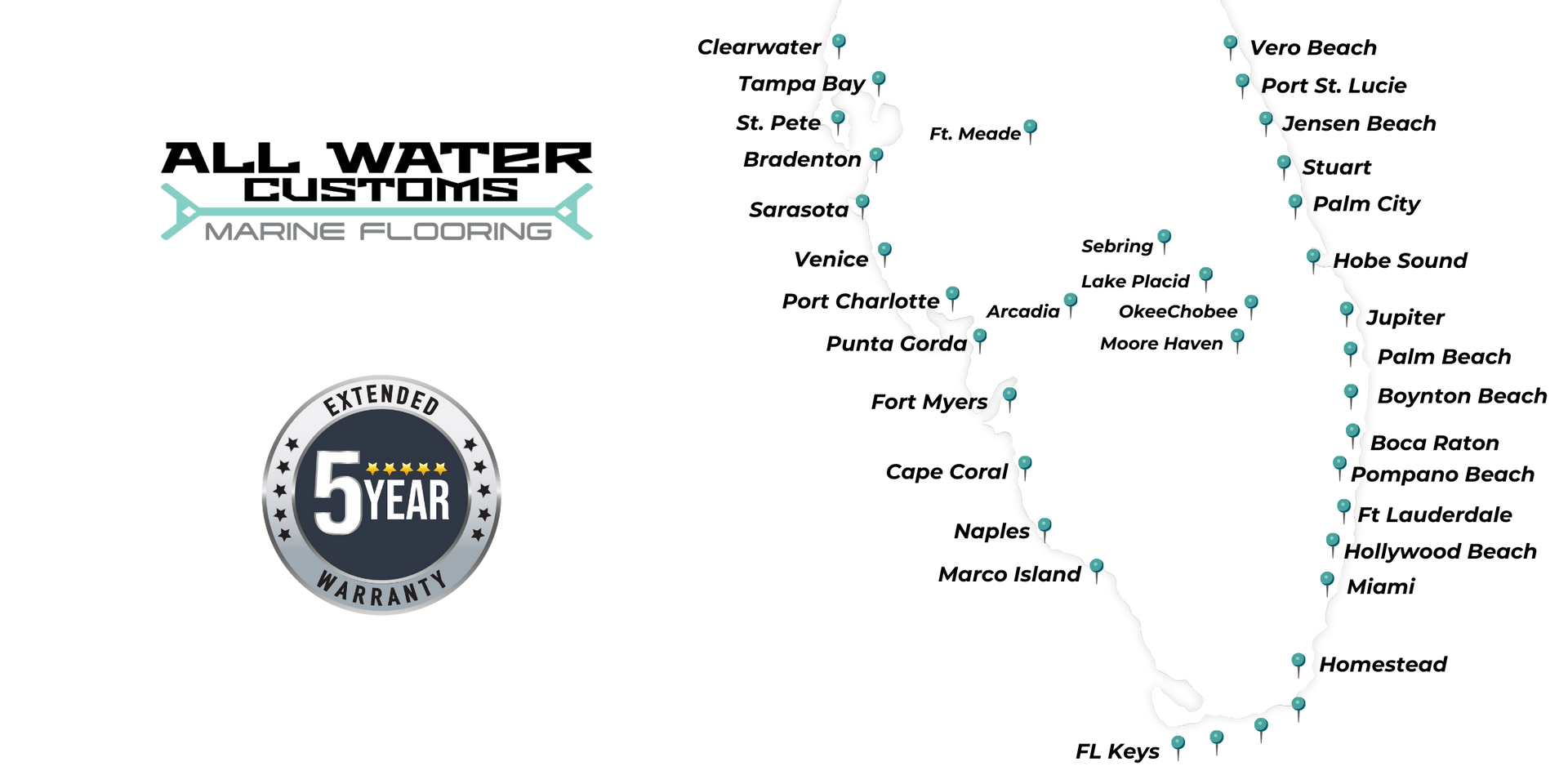
EVA foam becomes increasingly rigid with heat cycling, losing its ability to flex with the boat's movement. This rigidity leads to adhesive failure where the foam separates from the deck surface, particularly around high-stress areas like cleats and hardware mounting points. AWC's premium closed-cell PE foam is specifically selected to better withstand Florida's extreme conditions, providing long-lasting performance and the confidence of a 5-Year Warranty covering Adhesive and Light Amplification.
Florida UV Protection Tip
Even the most UV-resistant foam benefits from regular cleaning and occasional shade. However, AWC PE foam inherents UV resistance means it won't fail catastrophically if maintenance gets delayed during busy boating seasons, unlike EVA foam which requires consistent protection to prevent rapid degradation.
Salt Water and Stain Resistance Performance
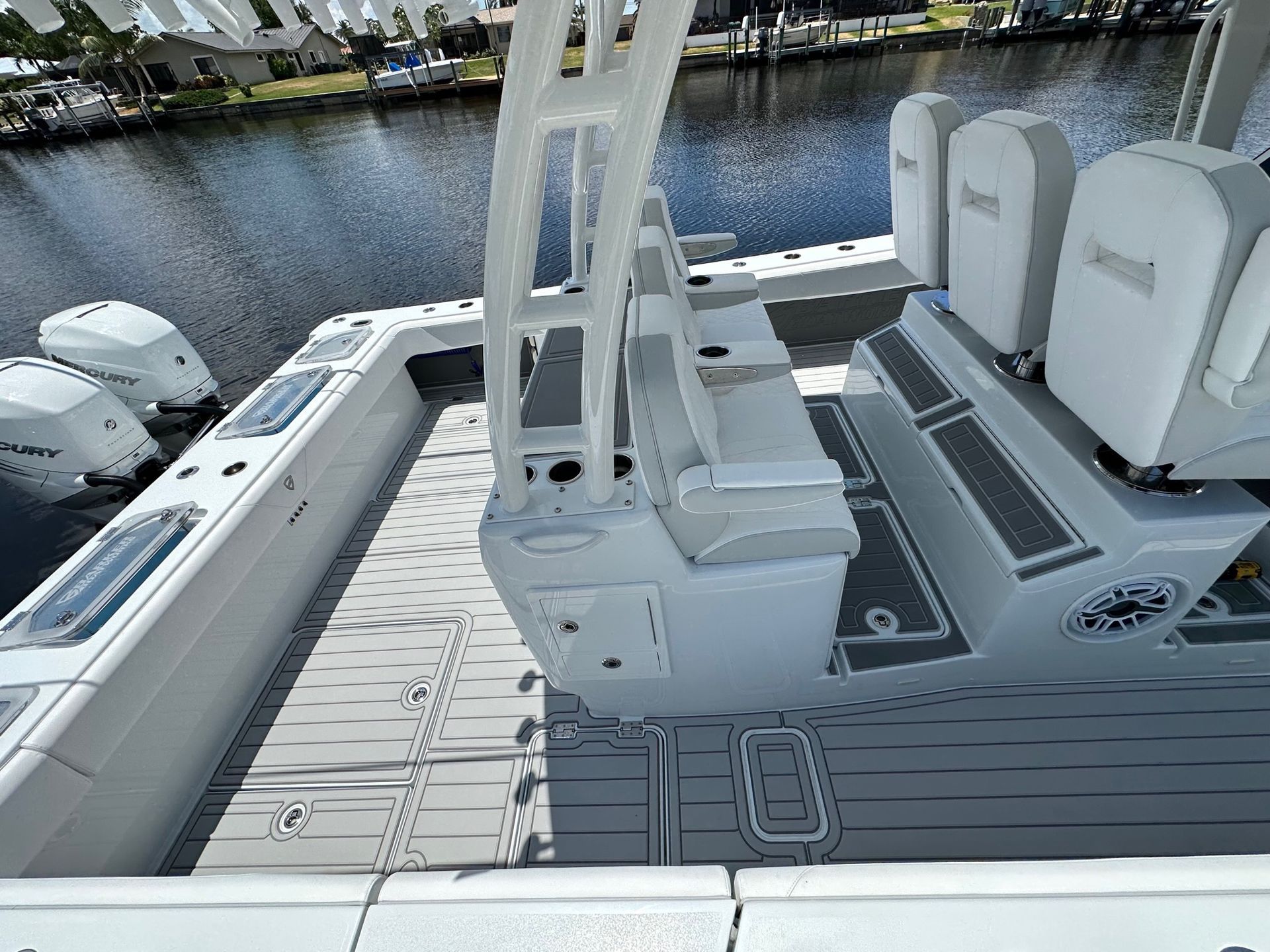
Salt water exposure represents the most significant difference between these foam types for Florida boaters. All Water Custom's PE foam's closed-cell structure prevents salt water from penetrating beyond the surface level. Spilled drinks, fish blood, bait, and salt spray can be cleaned off completely without leaving permanent stains or odors.
EVA foam initially appears to resist staining, but its semi-open cell structure allows liquids to penetrate into the foam matrix over time. Once salt water enters these cells, it creates a cycle of crystallization and dissolution that gradually breaks down the foam from the inside out.
The cleaning differences become apparent after the first season of use. PE foam can be restored to near-original appearance with basic soap and water cleaning. Pressure washing doesn't damage the closed-cell surface and can remove even stubborn stains without affecting the foam's integrity.
EVA foam requires increasingly aggressive cleaning methods as stains penetrate deeper into the material. Pressure washing can actually worsen the problem by forcing contaminants deeper into the foam structure. Many EVA installations develop permanent discoloration that can't be removed regardless of cleaning method.
Mold and mildew growth presents another concern with EVA foam in Florida's humid climate. The material's ability to retain moisture in its cell structure creates ideal conditions for biological growth, especially in areas with limited air circulation.
PE foam's moisture resistance prevents the damp conditions that support mold growth. Even in enclosed areas like boat cabins or under deck storage, PE foam maintains a dry surface that doesn't support biological contamination.
Lifespan and Total Cost Analysis for Florida Boaters
Initial material costs show EVA foam can be priced about 5-10% lower than PE foam products. However, total cost analysis reveals PE foam's superior value proposition for Florida marine applications over the ownership period. Additionally, AWC 5 year warranty includes coverages EVA foams will not touch; light amplification and adhesive.
EVA foam typically requires replacement generally at least after 2-4 years in Florida conditions, with visible degradation starting early in year two. The replacement process involves complete removal of the old foam which is time consuming and costly, surface preparation, and new installation. Essentially repeating the original installation cost multiple times.
PE foam installations commonly last 8+ years in Florida marine environments with proper basic maintenance. The material's resistance to UV degradation, salt penetration, and thermal cycling means it maintains both appearance and functionality well beyond EVA foam's useful life.
Foam boat decking replacement costs include not just material expenses but also labor, boat downtime, and disposal of old materials. These recurring costs make EVA foam significantly more expensive over a typical boat ownership period. Selecting a PE Foam will all your investment to be protected the first time.
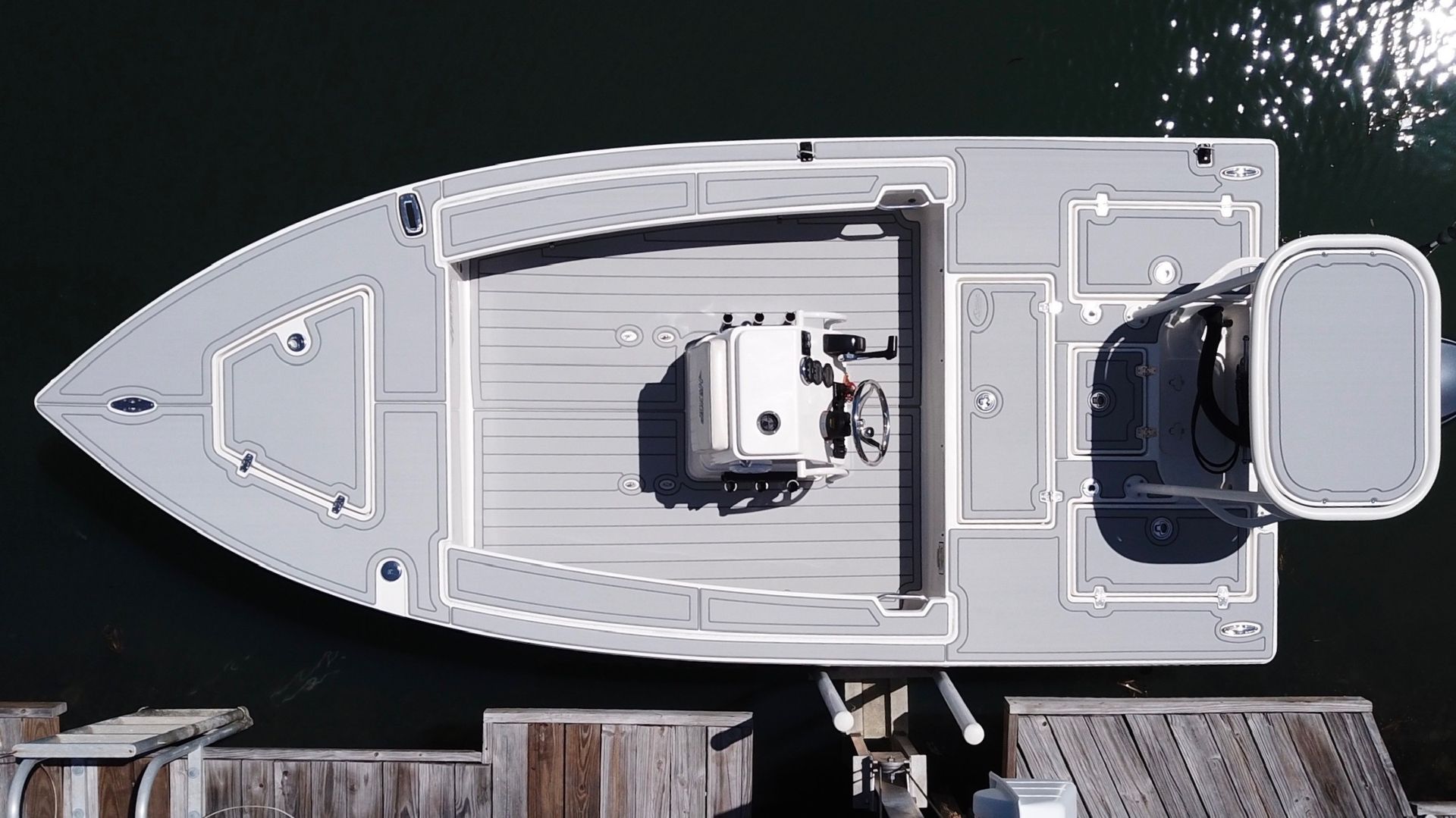
Warranty coverage reflects manufacturers' confidence in material longevity. Our PE foam product includes a 5-year warranty covering light amplification and adhesive. EVA foam warranties typically limit coverage to manufacturing defects only, excluding the environmental factors that cause most Florida failures.
Resale value considerations favor boats with PE foam installations. Prospective buyers recognize the superior durability and lower maintenance requirements, often viewing PE foam as a selling point rather than a component requiring immediate replacement.
How to Identify Which Foam Type Is Currently on Your Boat
Visual inspection provides the first clues about foam type identification. PE foam maintains a consistent surface texture and color even after extended use, while aged EVA foam shows chalky residue, surface cracking, or permanent discoloration that can't be cleaned away.
The water test offers a reliable identification method. Pour a small amount of colored liquid (like coffee or red juice) on an inconspicuous area and let it sit for 30 minutes. PE foam allows complete cleanup without staining, while EVA foam retains some discoloration even after thorough cleaning.
Flexibility testing can distinguish between foam types on older installations. PE foam maintains its flexibility and springs back when compressed, even after years of UV exposure. Degraded EVA foam feels rigid, may crack under pressure, or fails to return to its original thickness after compression.
Edge examination reveals structural differences between foam types. PE foam edges remain smooth and sealed even when cut, while EVA foam edges often show the internal cell structure and may feel softer or more porous to the touch.
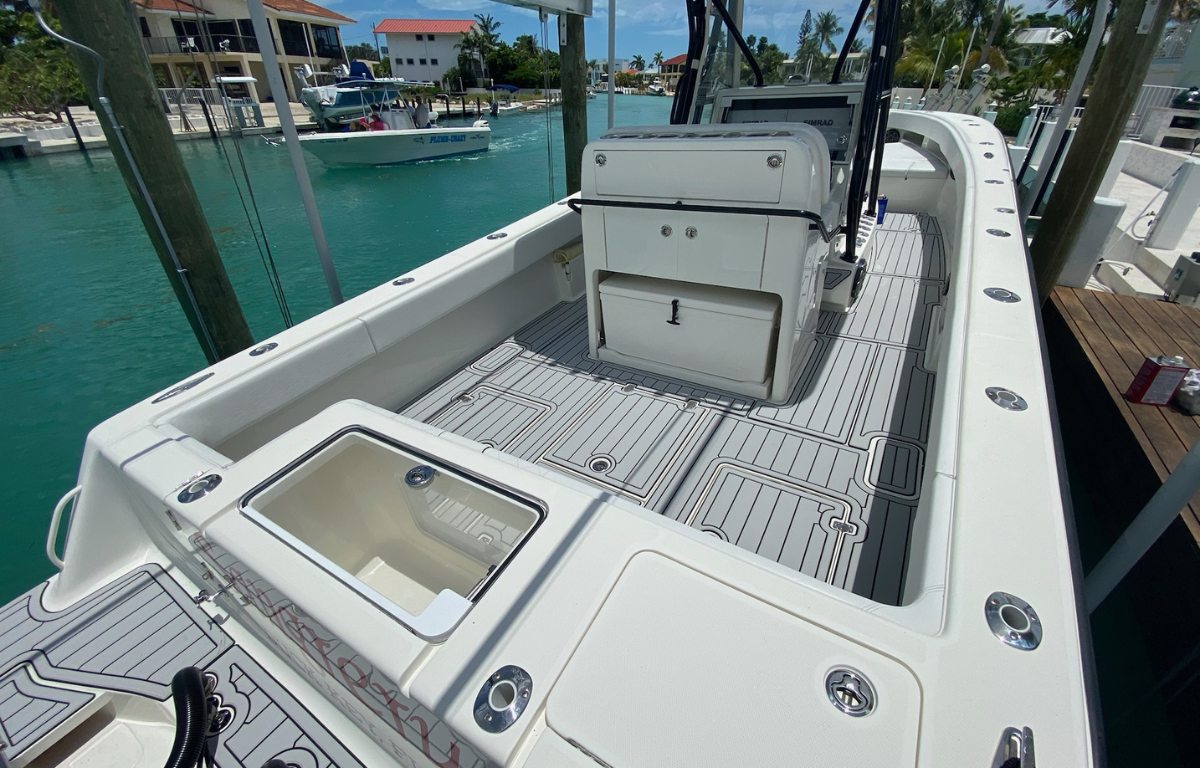
Documentation review may reveal foam type information in original boat specifications, aftermarket installation records, or warranty paperwork. Many manufacturers include material specifications in their installation guides or maintenance recommendations.
Understanding your current foam type helps plan maintenance schedules and replacement timing. Closed-cell vs open-cell foam boats require different care approaches, with closed-cell PE foam offering more forgiving maintenance requirements for busy Florida boaters.
Making the Right Choice for Florida Marine Conditions
The evidence strongly favors PE foam for boat flooring applications where durability, low maintenance, and long-term value matter most. While EVA foam may cost less initially, its poor performance under UV exposure, salt water contact, and temperature cycling makes it an expensive choice over time.
PE foam's closed-cell structure, UV resistance, and stain-proof surface provide the reliability Florida boaters need for year-round marine use. The material's 8+ year lifespan and comprehensive warranty coverage offer peace of mind that EVA foam simply cannot match in demanding marine environments.
Don't let short-term savings on inferior materials cost you thousands in premature replacements and constant maintenance. Contact All Water Customs today for a free consultation on PE foam installation that will protect your investment and provide years of reliable performance in Florida's challenging marine conditions.
Frequently Asked Questions
How long does PE foam boat flooring actually last in Florida's harsh marine environment?
PE foam typically lasts 8+ years in Florida conditions with proper basic maintenance, significantly outperforming EVA foam's 3-4 year lifespan. The closed-cell structure resists UV degradation, salt penetration, and heat cycling that destroys other foam types. Most installations come with a 5-year warranty covering UV degradation, delamination, and staining.
Will PE foam flooring crack or fade under Florida's intense UV exposure like other materials?
Our PE foam maintains its structural integrity under Florida's high UV index because polyethylene naturally resists photodegradation. This UV resistance is a key advantage over EVA foam, which becomes chalky and cracks within 18-24 months of Florida sun exposure.
How difficult is it to clean salt water, fish blood, and stains from AWC's PE foam decking?
Our PE foam's closed-cell structure prevents liquids from penetrating beyond the surface level, making cleanup simple with basic soap and water. Even stubborn stains from fish blood, bait, or spilled drinks can be removed with the correct pressure washing method (wide angle nozzle and low pressure) without damaging the foam. The material is 100% stain resistant, meaning no permanent discoloration or odors develop over time.
Are higher upfront costs of PE foam worth it compared to cheaper EVA foam options?
While PE foam costs 5-10% more initially, it becomes significantly less expensive over time due to its 8+ year lifespan versus EVA foam's 3-4 year replacement cycle. The total cost analysis includes not just materials but also repeated labor, boat downtime, and disposal costs for multiple EVA foam replacements. PE foam's durability and low maintenance requirements also positively impact boat resale value.
What happens if the PE foam installation fails or doesn't perform as expected?
Our PE foam installations includes comprehensive 5-year warranties covering light amplification and adhesive that commonly affect marine flooring. The closed-cell structure and chemical cross-linking process create permanent bonds that resist the environmental factors causing most Florida marine flooring failures. Professional installation ensures proper adhesion and long-term performance in demanding marine conditions.
The AWC Difference
Since 2016, All Water Customs has helped thousands of Florida boat owners upgrade their boats with custom marine flooring built for real-world conditions.
When you choose AWC, you're choosing:
- Over 10 years of marine flooring experience
- Premium close-cell PE foam
- 100% stain-resistant material
- Built for Florida's extreme heat
- 5-Year Warranty covering Adhesive & Light Amplification
Because great marine flooring isn't just about how it looks. It's about how it performs.