Non-Slip Boat Flooring That Handles Florida Heat
KEY TAKEAWAYS
- Heat Resistance and Non-Slip go hand-in-hand.
A boat deck that performs well in Florida needs to stay comfortable underfoot while maintaining reliable footing in both wet and dry conditions.
- Florida is one of the toughest environments for boat flooring.
Constant UV exposure, high temperatures, saltwater, sand, fish residue, and heavy foot traffic all accelerate wear, making material selection especially important.
- Closed-Cell PE foam outperforms EVA foam in Florida conditions by resisting UV breakdown and zero absorbtion
- Traction That Lasts - Non-slip
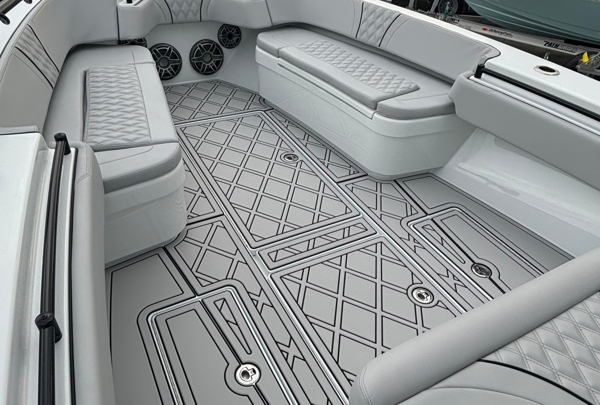
performance and heat resistance work together. Materials that grip well when new, often lose their traction properties as they break down under constant sun and salt exposure. AWC 100% PE Foam maintains grip throughout its lifespan. AWC's closed-cell PE foam is engineered for Florida conditions, helping maintain reliable traction in both wet and dry environments while resisting the wear that can affect lower-quality materials over time.
Most boat owners install what appears to be effective non-slip flooring, only to find that after a season or two in Florida waters, the same deck that once provided secure footing becomes both uncomfortably hot and slippery when wet. The root cause isn't just poor material selection; it's the failure to understand how heat resistance and traction performance are linked in marine environments.
When most boat owners shop for new marine flooring, they usually ask one of two questions:
- Will it stay cooler?
- Is it non-slip?
The reality is these two features work hand-in-hand. After installing custom marine flooring on Florida boats for over 10 years, we've seen one thing consistently: The materials that perform best in Florida's heat are also the materials that maintain their traction and appearance over time.
Non-slip boat flooring in Florida faces a dual challenge that most marine decking solutions fail to address properly. The same intense UV exposure and heat that makes surfaces dangerously hot to walk on also degrades the materials that provide traction when they get wet. All Water Customs has observed this situation across hundreds of Florida boat decks over ten years of marine flooring installations.
Choosing the right flooring isn't just about how it feels the day it's installed, it's about how it performs after years of sun, saltwater, fishing, sand, and everyday boating.
Why Traction and Heat Problems Occur Together
The physics behind non-slip boat flooring reveals why heat and traction issues appear simultaneously. Materials that absorb heat also tend to expand and contract with temperature changes, which gradually breaks down the surface texture that provides grip. EVA foam, commonly used in budget marine flooring, demonstrates this clearly; the same cellular structure that makes the floor flexible also allows it to absorb and retain heat while becoming softer and less grippy as temperatures rise.
Florida's marine environment compounds these issues through UV exposure intensity that exceeds most manufacturer testing standards. The combination of direct sunlight, reflected light off the water, and ambient temperatures that can push deck surfaces above 140°F creates conditions where inferior EVA materials fail within 2-3 years instead of their advertised 5-7 year lifespans. That is why it is important to All Water Customs to secure 100% PE Foam that delivers highest performance levels available when it comes to heat exposure.
Expert Insight: Material Selection for Florida Conditions
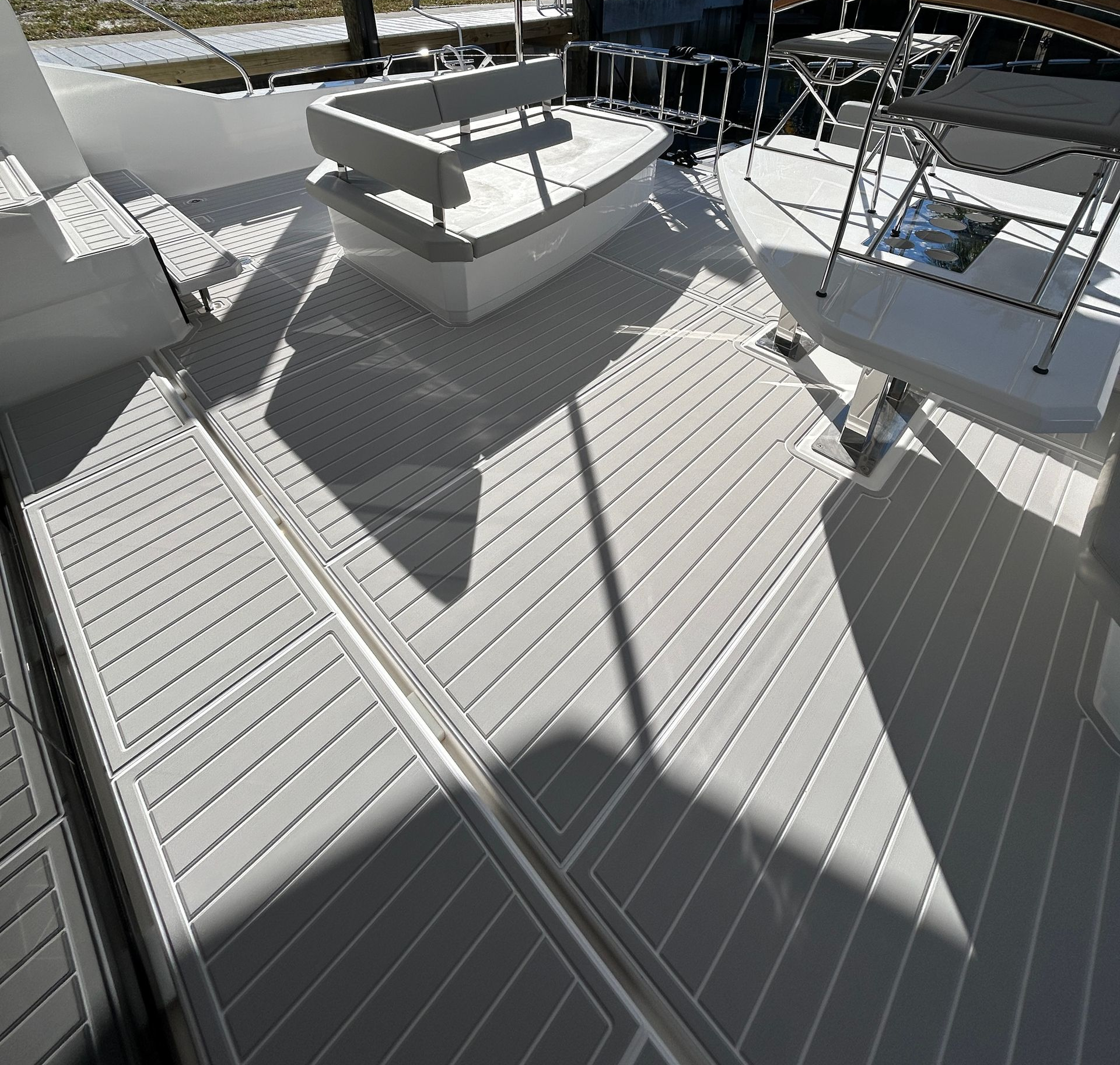
After 20 years in high-end construction and 10+ years installing marine flooring in Florida, the pattern is clear; materials that handle heat well also maintain their traction properties longer. AWC's Closed-cell PE foam consistently outperforms EVA alternatives because the sealed cellular structure prevents both heat buildup and water penetration that breaks down grip surfaces over time.
Traction Performance: Wet vs Dry Conditions
True non-slip performance requires understanding how traction changes between wet and dry conditions, because the mechanisms that provide grip are completely different in each state. Dry traction relies primarily on surface texture; the mechanical interlocking between shoe treads and foam surface patterns. Wet traction depends on the material's ability to channel water away from the contact point while maintaining enough texture to grip through the water film.
Our foam material maintains wet traction better than open-cell alternatives because water cannot penetrate into the material structure. With open-cell EVA foam our competitors use, water soaks into the surface layer, creating a spongy, unpredictable surface that compresses differently under each step. PE closed-cell materials present a consistent surface whether wet or dry, allowing users to develop reliable muscle memory for safe movement on deck.
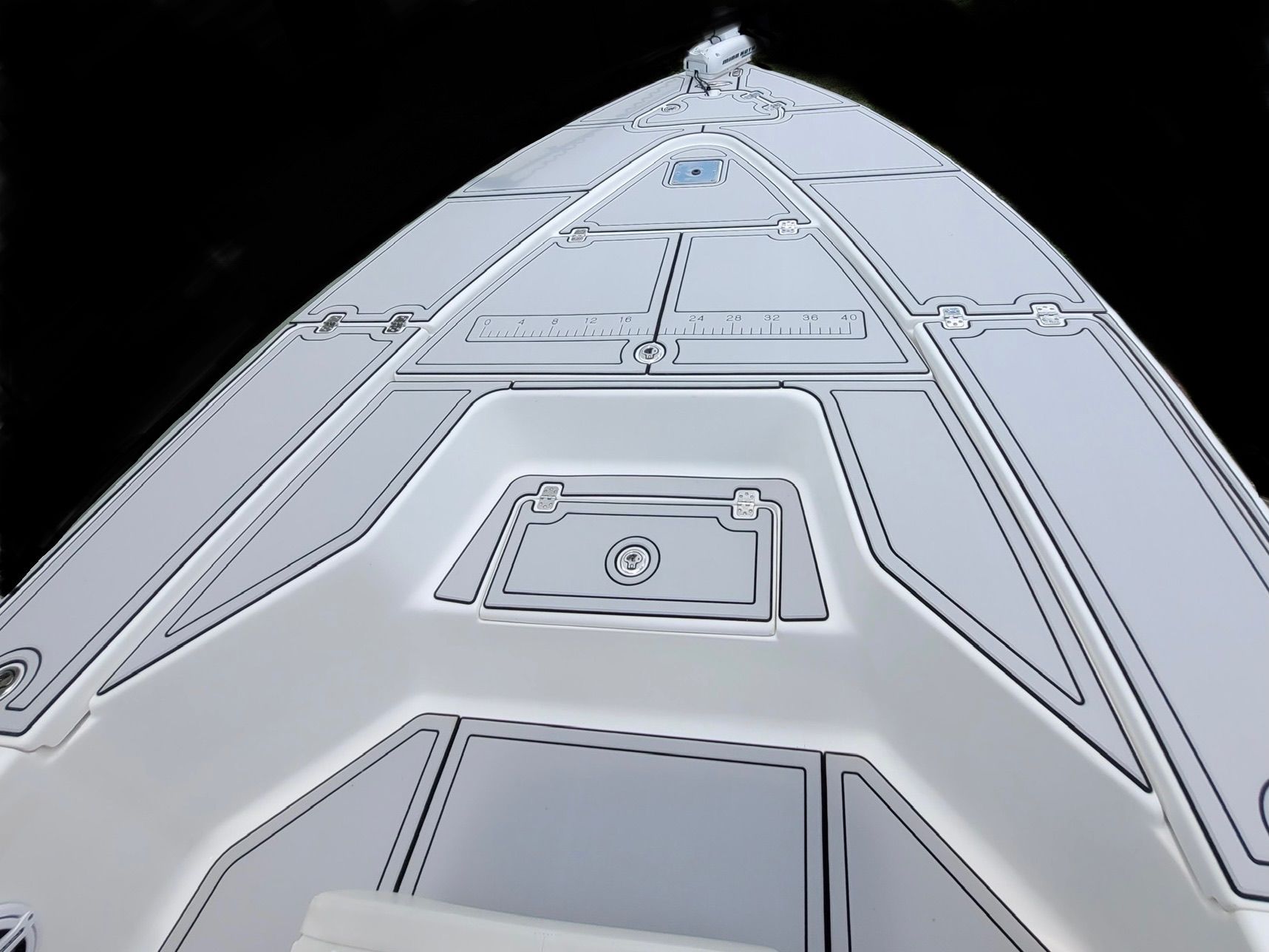
What Non-Slip Actually Means in Marine Flooring
The term "non-slip" gets used loosely in marine flooring marketing, but actual slip resistance has measurable standards that most boat deck materials don't meet. True slip resistance is measured using standardized tests that evaluate coefficient of friction under both wet and dry conditions, typically expressed as COF values ranging from 0.1 (very slippery) to 1.0+ (high traction).
Most quality marine flooring should achieve COF values of at least 0.6 when wet and 0.8+ when dry. However, these numbers only tell part of the story. They represent performance when the material is new. The more important question for Florida boat owners is how these values change over time under UV exposure, salt water contact, and thermal cycling.
AWC's Closed-cell PE foam maintains consistent COF values throughout its lifespan because the surface texture doesn't degrade from water penetration or UV breakdown. Materials that achieve high initial COF values through soft, compressible surfaces often see rapid performance decline as the material hardens or breaks down under environmental stress.
The testing standards also don't account for the transition zones that create the most slip hazards on boats – the areas where dry deck meets wet surfaces, or where water pools in slight depressions. These transition areas require materials that perform consistently across varying moisture levels, not just in fully wet or fully dry conditions.
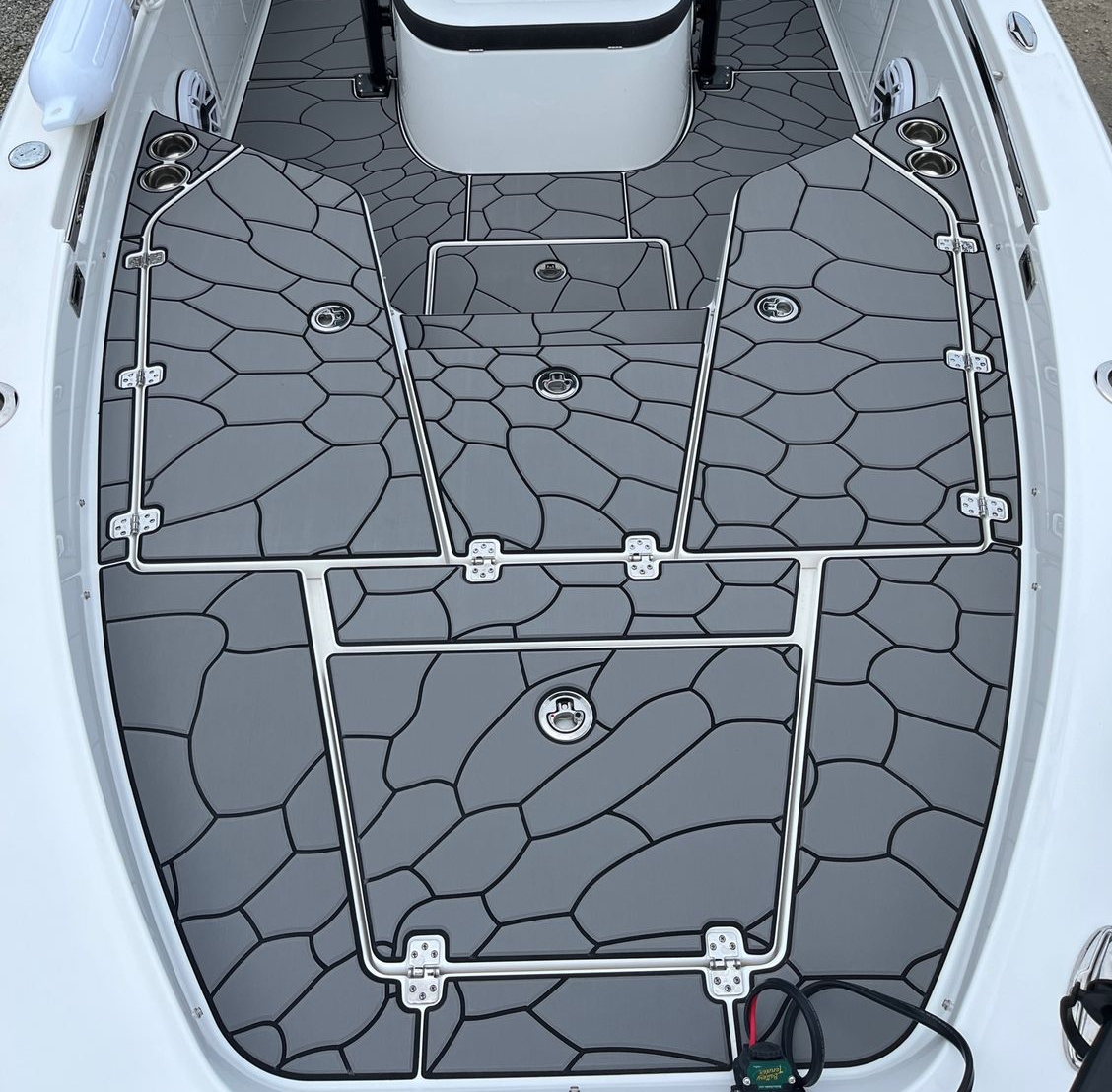
For Florida boat owners dealing with intense heat and frequent wet conditions, the solution requires both proper material selection and precise installation. Closed-cell PE foam provides the heat resistance and long-term traction performance needed for Florida marine environments.
The decision comes down to understanding that non-slip performance and heat resistance aren't separate features, but instead they're interconnected properties that determine whether your boat deck will remain safe and comfortable for years or become a liability after the first season. Proper material selection and installation methods address both concerns simultaneously, providing the reliable deck surface that Florida boating conditions demand.
Frequently Asked Questions
How long does non-slip boat flooring installation take from start to finish?
The typical timeline is 3 to 3.5 weeks from initial measurement to completed installation. This includes time for precision measurements of your deck, designing approval drawings to review to fabricating custom foam pieces to exact specifications, and scheduling the installation.
Will the foam flooring hold up to Florida's intense sun and saltwater conditions?
Our Closed-cell PE foam is specifically selected for Florida marine environments because it resists UV breakdown and prevents salt water penetration. The material typically lasts 8+ years compared to competitors EVA foam alternatives that often degrade within 2-3 years. The AWC 5-year warranty covers light amplification and adhesive breakdown, which are the most common failure modes in Florida conditions.
How much does non-slip boat flooring cost for my boat?
Project costs typically range from $2,000 to $8,000+ pending the size of your boat. The exact price depends on your boat's deck size, complexity, and chosen foam pattern. A dialed in estimate can be provided within 24 hours via email and phone and an in-person measurement is done at the start of each project for a perfect fit.
How do I know the flooring will stay cool enough for barefoot walking in Florida heat?
AWC's foam maintains surface temperatures 15-20 degrees cooler than fiberglass or gel coat surfaces under direct sun. The sealed cellular structure prevents heat buildup while providing insulation from the hot deck underneath. This material selection is based on observed performance across hundreds of Florida boat installations over 10 years.